The Multi-Brand Advantage in Smart Home Security
Relying on a single ecosystem for your entire smart home security setup might seem convenient initially. However, as LifeHackster wisely points out, this approach carries inherent risks. A single system failure, whether due to a server outage, a software glitch, or a hardware defect, could leave your entire home vulnerable. By integrating products from two to three, or even more, reputable brands, you create a robust network with built-in redundancy. This strategy ensures that if one part of your system goes offline, other components can continue to monitor your property. Imagine one brand’s cloud service experiences an outage; your local NVR system from another brand would still be recording. This layered defense offers peace of mind, knowing your home remains protected under various circumstances. It also allows you to pick the best-in-class devices for specific functions, without being locked into a single manufacturer’s offerings.Comprehensive Camera Coverage: A Blended Approach
A truly effective smart home security setup requires thoughtful camera placement and a mix of technologies. LifeHackster’s tour showcases how different cameras excel in different scenarios, creating an all-encompassing surveillance grid.Front Yard & Garage Monitoring
For the front of the garage, a combination of continuous recording and motion-activated cameras ensures no blind spots. The Eufy Outdoor Cam E220 offers 24/7 recording directly to a Eufy Hub, providing constant vigilance. This is complemented by the Reolink CX810 and CX410s, forming the core of the front yard monitoring, streaming directly to a dedicated Reolink NVR system. This NVR setup is crucial, offering continuous, local recording and real-time viewing capabilities on a dedicated monitor within the house, giving immediate visual access to outdoor activity. The Eufy Floodlight Cam E340 serves as an excellent deterrent and additional recording point, especially effective with its integrated lighting. Meanwhile, a newer EufyCam S3 Pro provides high-definition coverage, demonstrating impressive battery longevity, hovering around 90% even after 30 days of use. This mix of wired and wireless, continuous and motion-activated, ensures comprehensive coverage and diverse recording methods.Side Yard & Backyard Surveillance
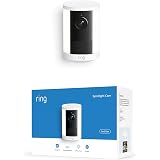
Around the side of the house, a Reolink CX410 actively deters potential intruders with its audible prompts, encouraging them to look up for a clear facial view. This proactive feature, which can be configured to make noise upon detection, adds an extra layer of deterrence beyond mere recording. The integration of older, yet still functional, Ring cameras like the Spotlight Cam Mount (7 years old!) highlights the potential longevity of some devices, though regular checks for wear and tear, like the mentioned lens issue, are important for optimal performance. The backyard, often a vulnerable area, benefits from multiple cameras. LifeHackster’s long-term testing includes the Reolink Altas, praised for its battery efficiency even with pre-recording. The Eufy SoloCam S340 and the robust Reolink Duo 2V vandal-proof camera offer expansive views. The Duo 2V’s wide field of view means one camera can cover an entire backyard, eliminating the need for multiple units and simplifying installation. Even after weeks without cleaning, its dome lens maintains clear footage at night, a testament to thoughtful design. The oldest security camera in the setup, a Ring Spotlight Cam Wired Plug-in (almost 7.5 years old), demonstrates remarkable durability, largely due to its protected placement from the elements.Indoor Camera Solutions
Inside the home, devices like Eufy’s first-gen pan and tilt camera (soon to be upgraded to an S350 or Reolink FE-W) and the Wyze Cam Pan version 3 offer dynamic monitoring capabilities. These allow for wider area coverage and the ability to remotely adjust viewing angles, adding flexibility to interior surveillance. Choosing between different models, even from the same brand like Eufy’s S350 and E30, often comes down to balancing features like 4K resolution with affordability.Smart Entry: Doorbells and Locks
Your front door is the primary entry point, making its security paramount. LifeHackster’s setup includes the Reolink Doorbell (Wi-Fi model, but wired for responsiveness) and the Eufy Smart Lock Touch and Wi-Fi (S230). Wiring the doorbell directly into the network bypasses potential Wi-Fi latency and ensures instant alerts and reliable video feeds. This is a common strategy for optimal performance, especially for devices that require constant connectivity. The Eufy Smart Lock, in use for three years, demonstrates exceptional reliability, with 95% of its use involving quick fingerprint access. Its battery life of 4-5 months is impressive, offering long periods between swaps of its rechargeable batteries. For the back patio door, another Eufy smart lock, the E30 model, adds Matter and Apple HomeKit compatibility, showcasing integration with newer smart home standards. These smart locks provide keyless entry, remote access, and detailed logs of who enters and exits, adding both convenience and heightened security.Power Redundancy and Reliability
One of the most critical, yet often overlooked, aspects of a robust smart home security system is power redundancy. As seen in the video, LifeHackster’s main security camera setup is hooked up to a backup UPS (Uninterruptible Power Supply). This simple addition proved invaluable during a recent power outage, keeping the entire system running flawlessly for at least two to two and a half hours until power was restored. A UPS acts as a safeguard, providing temporary power to your critical devices when the main power fails. For a security system, this means your cameras continue to record, your NVR keeps storing footage, and your alerts remain active, even if the lights go out. This ensures continuous monitoring during unforeseen circumstances, a crucial element for uninterrupted smart home security.Local vs. Cloud Recording: A Hybrid Approach
The debate between local and cloud recording often centers on privacy, cost, and accessibility. LifeHackster advocates for a hybrid approach, keeping some cameras (like Wyze and specific Ring units) that upload to the cloud, even with his primary NVR setup. This isn’t just about preferring one over the other; it’s about layering your defenses. Local recording, typically via an NVR or micro SD cards, offers immediate access to footage, often without subscription fees, and keeps your data entirely within your control. This is ideal for continuous, high-volume recording. Cloud recording, while sometimes incurring subscription costs, provides an off-site backup. Should your local equipment be stolen or damaged, your recorded footage remains securely stored in the cloud. This combination covers all bases, ensuring you have access to crucial evidence no matter what happens to your on-site equipment.Smart Lighting and Sensors: Beyond Cameras
A truly intelligent smart home security system extends beyond just cameras and locks. Smart lighting plays a significant role, both as a deterrent and for ambient convenience. LifeHackster’s upgrade to Eufy’s permanent and pathway lighting demonstrates this perfectly. These lights not only transform the home’s aesthetic but also integrate with the security cameras. Imagine motion sensors triggering bright lights and camera recordings when someone approaches your home in the early hours—a powerful deterrent for intruders. Beyond lighting, smart sensors provide vital environmental monitoring. The continued use of the Ring Alarm with professional monitoring forms the backbone of the home’s active alarm system. Complementing this, smart sensors like Ring’s smoke and CO detectors and Yolink water and leak sensors provide an early warning system for non-security threats. Yolink’s long-range capabilities make it particularly effective for covering large areas or out-of-the-way spots. Even smart switches from brands like Treatlife and Tapo, controlled via voice assistants like Alexa, add to the overall convenience and allow for automated actions that can simulate occupancy, further enhancing security. Even SwitchBot’s Blind Tilt, set on a schedule and solar-charged, contributes to the automation and lived-in feel of the home.Post-Tour Debrief: Your Smart Security Queries for 2025
Why is it recommended to use multiple brands for smart home security?
Using products from several brands prevents your entire security system from failing if one brand’s service or device goes down. This creates a more reliable and robust defense for your home.
How do smart doorbells and smart locks help secure my home?
Smart doorbells provide instant video and alerts for visitors, while smart locks offer keyless entry, remote access, and a record of who enters and exits your home.
What is a UPS and why is it useful for a smart home security system?
A UPS (Uninterruptible Power Supply) gives backup power to your security devices during an outage. This means your cameras and recording systems continue to work even if your home loses electricity.
What are the main differences between local and cloud recording for security cameras?
Local recording saves footage on devices in your home, like an NVR, offering direct access and control. Cloud recording stores footage online, providing an off-site backup in case local equipment is damaged or stolen.