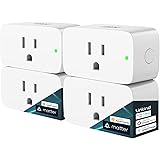
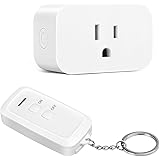
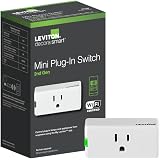
In the evolving landscape of smart home technology, convenience and control are paramount. The video above highlights some of the top Wi-Fi smart plugs available in 2024, showcasing how these deceptively simple devices can transform traditional outlets into intelligent, remotely manageable power sources. For many homeowners, the challenge lies in seamlessly integrating smart functionality into existing setups without overwhelming complexity. This is where the true value of a well-chosen smart plug emerges, offering not just remote access but also enhanced safety, energy efficiency, and a robust foundation for a truly automated dwelling.
The transition from conventional electrical appliances to a fully interconnected smart home environment often begins with foundational components like Wi-Fi smart plugs. These devices act as crucial conduits, bridging the gap between legacy electronics and modern smart home ecosystems. Beyond the immediate gratification of remote control, their integration unlocks a spectrum of advanced capabilities, positioning them as indispensable tools in contemporary home management strategies.
The Foundational Role of Smart Plugs in Home Automation
At its core, a smart plug is a gateway. It empowers users to manage any device plugged into it via a smartphone application, voice commands, or automated schedules. This level of granular control is a significant departure from traditional on/off switches, introducing a new paradigm of interaction with household electronics. The ability to toggle power from anywhere in the world, verify device status, or configure intricate routines fundamentally alters daily living, moving from reactive management to proactive automation.
Enhancing Home Safety and Security with Smart Plugs
One of the most compelling arguments for adopting smart plug technology centers on enhanced safety and security. The transcript notably emphasizes child safety, a critical consideration for families. Smart plugs can be strategically deployed to control outlets in children’s rooms, preventing accidental activation of potentially hazardous appliances or ensuring devices are only powered during supervised periods. Furthermore, advanced smart plugs, such as the BN-Link Heavy Duty Smart Plug, are engineered with fire-resistant shells and superior internal components, mitigating risks associated with electrical faults and overloads. This physical robustness, combined with the capacity for immediate remote shutdown in emergencies, provides an additional layer of protection.
Beyond physical safety, smart plugs contribute significantly to home security. The ‘always lighting’ feature seen in devices like the Amazon Smart Plug, which automatically cycles lights to mimic occupancy, is a potent deterrent against potential intruders. Similarly, scheduling other devices like radios or televisions to power on and off randomly can reinforce the illusion that a home is occupied, even when residents are away. This proactive security measure offers considerable peace of mind, transforming simple electrical control into a sophisticated security strategy.
Optimizing Energy Consumption and Efficiency
In an era of increasing environmental consciousness and rising utility costs, energy efficiency stands as a key benefit of smart plug deployment. The BN-Link Smart Plug, for instance, integrates a ‘live sustainably energy monitoring function.’ This capability allows homeowners to track the real-time electricity usage of connected devices, providing actionable data to identify energy vampires and inefficient appliances. With this insight, users can make informed decisions to reduce consumption, whether through diligent scheduling or by opting for more energy-efficient upgrades.
Scheduling capabilities, a standard feature across most Wi-Fi smart plugs like the Kasa Smart Wi-Fi Plug, facilitate automated power management. Setting specific times for heaters, fans, or charging devices to activate and deactivate prevents unnecessary energy waste. This not only translates into tangible savings on electricity bills but also contributes to a smaller carbon footprint, aligning with broader sustainability goals. The precision offered by these scheduling functions ensures that power is consumed only when absolutely necessary, fostering a more mindful approach to energy use.
Seamless Integration with Smart Home Ecosystems
The true power of Wi-Fi smart plugs is unleashed when they integrate effortlessly into a broader smart home ecosystem. Compatibility with major voice assistants and smart home platforms is a non-negotiable feature for modern devices. The Belkin Wemo Mini, for example, boasts compatibility with Amazon Alexa, Google Assistant, and Apple HomeKit, offering universal appeal regardless of a user’s preferred ecosystem. This interoperability ensures that smart plugs are not isolated devices but rather integral components of a cohesive automated network.
Voice Control: The Epitome of Convenience
Voice control transforms the interaction with home electronics from a manual task to an intuitive command. Assigning unique names to each smart plug, as demonstrated with the Kasa HS103, allows for precise control via Alexa, Google Assistant, or Siri. “Alexa, turn on the coffee maker,” or “Hey Google, activate the living room lamp,” are common utterances that exemplify this seamless interaction. This hands-free operation is particularly beneficial when multitasking, when physical access to a switch is inconvenient, or for individuals with mobility challenges. The responsiveness and accuracy of modern voice assistants, combined with robust Wi-Fi connectivity, render physical switches increasingly obsolete.
Advanced Scheduling and Routine Automation
Beyond simple on/off commands, smart plugs excel in establishing complex routines and automated sequences. The Alexa app, in conjunction with the Amazon Smart Plug, enables users to define intricate scenarios: “When I say ‘Good Morning,’ turn on the bedroom lights, start the coffee maker, and activate the smart radio.” Such routines can be time-based, event-driven, or triggered by specific voice commands, offering a high degree of customization. This level of automation not only enhances convenience but also streamlines daily workflows, creating an environment where the home proactively anticipates and responds to its occupants’ needs.
Diving Deeper into Leading Wi-Fi Smart Plugs
The market offers a diverse range of Wi-Fi smart plugs, each with distinct features and ecosystem strengths. Understanding these nuances is key to selecting the ideal device for specific needs.
TP-Link Kasa Smart Wi-Fi Plug (HS103)
TP-Link’s Kasa ecosystem is renowned for its user-friendly interface and extensive range of smart home devices. The Kasa HS103 smart plug exemplifies this, providing robust remote control and scheduling capabilities. Its primary strength lies in its tight integration with the Kasa application, which serves as a central hub for all TP-Link smart home products. Users can easily group multiple Kasa devices, creating themes that control several electronics with a single tap or voice command. Compatibility with both Android and iOS, alongside Alexa, underscores its versatile appeal.
Amazon Smart Plug
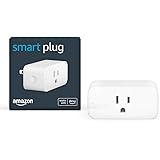
For individuals deeply embedded within the Amazon ecosystem, the Amazon Smart Plug presents an unparalleled integration experience. Its direct compatibility with Alexa means setup is often a matter of plugging it in and allowing Alexa to discover it. The plug excels in establishing routines within the Alexa app, allowing users to automate a multitude of actions across their Alexa-enabled devices. Its ‘always lighting’ feature for security is a particularly valuable asset for those seeking to enhance their home’s perimeter defense.
Philips Hue Smart Plug
The Philips Hue Smart Plug stands out for its compact form factor and budget-friendly entry point into smart home automation, particularly for lighting solutions. Designed to be unobtrusive, it fits easily into any outlet without blocking adjacent receptacles. While its core strength lies in integration with the Philips Hue lighting ecosystem, it effectively extends smart control to any plugged-in device, from lamps to kitchen appliances. Its primary appeal is to users who value minimalist design and seamless integration within a dedicated lighting network.
BN-Link Heavy Duty Smart Plug
Safety and robust functionality define the BN-Link Heavy Duty Smart Plug. Engineered with a premium fire-resistant shell and high-quality internal components (phosphor bronze power plug pins), it prioritizes user protection, especially pertinent in homes with children. The inclusion of energy monitoring provides a tangible benefit for cost-conscious and environmentally aware consumers. Its broad compatibility with both Google Home Assistant and Amazon Alexa further enhances its versatility, making it a reliable choice for managing a wide array of devices, including more power-intensive appliances.
Belkin Wemo Mini Smart Plug
The Belkin Wemo Mini is lauded for its compact, sleek design and exceptional versatility. Its unique form factor allows for stacking two units in a single wall outlet, maximizing utility without sacrificing space—a critical advantage in multi-device setups. Compatibility with Amazon Alexa, Google Assistant, and Apple HomeKit ensures it integrates seamlessly into virtually any smart home configuration. The Wemo mobile app provides intuitive control, enabling users to manage appliances, schedule operations, and even randomize light patterns to simulate occupancy, solidifying its reputation as a comprehensive and highly adaptable smart plug solution.
Powering Up Your Knowledge: Wi-Fi Smart Plug Q&A
What is a Wi-Fi smart plug?
A Wi-Fi smart plug is a device that turns a regular electrical outlet into an intelligent, remotely controllable power source. It allows you to manage any connected appliance using a smartphone app, voice commands, or automated schedules.
What are the main benefits of using Wi-Fi smart plugs?
Smart plugs offer convenience through remote control and scheduling, enhance home safety by allowing you to control hazardous devices, and help save energy by monitoring usage and automating power.
How can smart plugs improve home safety and security?
They can enhance safety by controlling outlets for child protection or allowing remote shutdown in emergencies. For security, smart plugs can simulate occupancy by automatically turning lights or radios on and off.
Can smart plugs help me save energy and reduce electricity bills?
Yes, many smart plugs have energy monitoring features that show you how much power devices use, helping you identify inefficient appliances. You can also set schedules to ensure appliances only operate when necessary, reducing energy waste.