The modern problem of forgetting to switch off home appliances after leaving is effectively addressed by smart plugs, as compellingly demonstrated in the accompanying video. These innovative gadgets transform conventional electrical outlets into intelligent, remotely controllable power sources, offering unprecedented convenience and peace of mind. Such devices are increasingly being adopted by households seeking to enhance their daily routines through automation and energy management.
In essence, a smart plug functions as an intermediary device, placed between a wall outlet and an appliance. It is through a dedicated mobile application, typically connected via Wi-Fi, that control is primarily exerted over the connected device. The simple act of connecting to your home network allows for seamless remote operation, making it possible to manage your home’s electrical devices from virtually anywhere. This foundational technology is revolutionizing how personal comfort and home efficiency are perceived.
The Core Concept: Understanding What a Smart Plug Offers
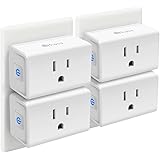
At its heart, a smart plug is a compact device engineered to provide remote control over any appliance plugged into it. Its operation is fundamentally reliant on Wi-Fi connectivity, allowing communication between the plug and a smartphone application. Consequently, appliances such as lamps, fans, or even coffee makers can be switched on or off with a tap on your phone screen, regardless of your physical location. This technology is becoming a cornerstone of many modern smart home setups, enhancing user interaction with their living spaces.
The ability to control devices remotely is merely one facet of a smart plug’s utility; greater flexibility is often presented through various integrated functionalities. These devices are designed to simplify daily tasks and minimize energy wastage. Therefore, a smart plug often serves as an initial step for many into the broader ecosystem of home automation, offering an accessible entry point to managing a connected environment without extensive technical knowledge.
Universal Compatibility and Amperage Considerations
A notable feature highlighted in the video is the presence of a “universal socket” on this particular smart plug, ensuring compatibility with a wide array of electrical appliance plugs commonly found in India. This design choice is crucial for consumer convenience, eliminating the need for specific plug types or adapters. Such adaptability underscores the user-friendly nature of these devices, as they are often intended for a broad demographic.
The smart plug’s rating of “10 Amperes” is also a significant technical detail that cannot be overlooked. This amperage rating dictates the maximum electrical current that can safely pass through the device, which in turn determines the types of appliances that can be connected. Generally, a 10A smart plug is well-suited for light-to-medium power devices such as lamps, fans, mobile chargers, small kitchen appliances like blenders, and televisions. However, high-power appliances like electric heaters, air conditioners, or washing machines often draw significantly more current and would require a higher-rated smart plug, typically 16A, to ensure safety and optimal performance.
Seamless Integration: Setting Up Your Smart Plug
The process of integrating a smart plug into your home network is typically designed for straightforward execution, as demonstrated in the video. Initially, the device is simply plugged into a standard wall outlet. Following this, the physical button on the side of the smart plug is generally held down for a few seconds until an indicator light begins to blink, signifying that the device has entered “pairing mode.” This visual cue is an essential step, confirming its readiness for connection.
Subsequently, the dedicated mobile application, often specified by the smart plug manufacturer, is downloaded onto a smartphone. Within this application, a specific function for “adding a device” is typically accessed. The app then guides the user through the process of connecting the smart plug to the home’s Wi-Fi network. Once successfully connected, the smart plug’s interface is displayed within the app, allowing for immediate remote control and access to its various features, streamlining the user’s interaction with their connected appliances.
Beyond On/Off: Advanced Features of Smart Plugs
While remote on/off functionality is a primary benefit, modern smart plugs are often equipped with a suite of advanced features that significantly enhance their utility. These capabilities extend far beyond simple control, contributing to greater efficiency, security, and automation within the home environment. The sophisticated design of these devices allows for a more integrated and responsive smart home experience for users.
Scheduling for Automated Living
A truly transformative feature of many smart plugs is their scheduling capability, as briefly mentioned in the video. This function allows users to pre-set specific times for connected appliances to turn on or off automatically. For instance, a light can be programmed to switch on at sunset and off at bedtime, simulating occupancy even when away from home, thereby enhancing security. Similarly, a coffee machine can be scheduled to begin brewing before one wakes up, ensuring a fresh cup is ready upon rising. This level of automation significantly contributes to daily convenience and can also aid in energy conservation by ensuring devices are only active when genuinely needed, preventing unnecessary power consumption throughout the day.
Energy Monitoring for Smarter Consumption
Another valuable feature highlighted in the video is the smart plug’s ability to monitor the amount of current an appliance is drawing. This energy monitoring capability provides users with real-time data on power consumption directly through the mobile application. Understanding which devices consume the most electricity can be immensely empowering, enabling informed decisions about energy usage and helping identify “energy vampires” – appliances that draw power even when turned off. Such insights can lead to significant reductions in electricity bills over time, aligning with a broader goal of sustainable living. The detailed tracking offers a practical tool for managing household energy footprints effectively.
Practical Applications in Daily Life
The versatility of smart plugs means they can be deployed in numerous scenarios around the home, each contributing to an easier and more controlled lifestyle. One common application is for lighting; lamps connected to smart plugs can be turned on or off from bed, or scheduled to illuminate a room before arrival. For those with a green thumb, a smart plug can be used to control indoor grow lights, ensuring plants receive light for precise durations without manual intervention. The convenience these devices offer truly changes how routine tasks are approached.
Beyond convenience, smart plugs enhance safety and security. Forgetting to turn off a hair straightener or an iron is a common worry, but with a smart plug, these devices can be remotely switched off from anywhere. Furthermore, during vacations, lights can be randomly turned on and off to give the impression that the house is occupied, deterring potential intruders. This remote control capability provides a significant layer of peace of mind, allowing users to manage their homes effectively even when absent.
Choosing the Right Smart Plug for Your Needs
When considering the integration of smart plugs into a home, several factors should be deliberated to ensure the chosen device aligns with specific needs. Crucially, the amperage rating of the smart plug must be matched to the power requirements of the appliances intended for connection, prioritizing safety and functionality. As discussed, a 10A smart plug is suitable for many common household items, but high-drain appliances necessitate a 16A model. Ensuring this compatibility is a fundamental step in the selection process.
Beyond basic safety, the feature set of a smart plug warrants attention. While all smart plugs offer remote control, not all include energy monitoring or advanced scheduling capabilities. If understanding power consumption or automating complex routines is important, a model offering these functionalities should be selected. Furthermore, compatibility with existing smart home ecosystems, such as Google Assistant or Amazon Alexa, might also be a consideration for seamless integration into a broader intelligent home setup. Careful consideration of these elements ensures that the chosen smart plug is an effective and valuable addition to a connected home.
Ultimately, the adoption of a smart plug into any home offers a tangible upgrade in convenience and control, significantly easing daily routines and providing peace of mind. The ability to manage home appliances remotely, coupled with advanced features like scheduling and energy monitoring, transforms how personal living spaces are interacted with. These devices are more than just gadgets; they represent a fundamental shift towards a more connected and efficient lifestyle, effectively tackling common everyday annoyances with smart technology.
Smart Solutions for an Easier Life: Your Questions Answered
What is a smart plug?
A smart plug is a device that turns a regular electrical outlet into an intelligent, remotely controllable power source. You can plug appliances into it and manage them using a smartphone.
How does a smart plug work?
A smart plug functions as an intermediary device between a wall outlet and an appliance. It connects to your home’s Wi-Fi network and is controlled through a dedicated mobile application on your smartphone.
What kinds of appliances can I use with a smart plug?
You can use a smart plug with light-to-medium power devices such as lamps, fans, coffee makers, mobile chargers, and televisions. High-power appliances like heaters usually require a higher-rated smart plug.
What are the main benefits of using a smart plug?
Smart plugs offer remote control of appliances, allowing you to turn them on or off from anywhere. Many also include scheduling capabilities for automation and energy monitoring to help you understand power consumption.
How do I set up a smart plug?
To set it up, plug the smart plug into a wall outlet and put it into ‘pairing mode’ (often by holding a button until a light blinks). Then, use the smart plug’s mobile app to connect it to your home’s Wi-Fi network.