Smart plugs represent a foundational component of modern home automation, offering a pragmatic entry point for individuals seeking to enhance convenience, bolster safety protocols, and optimize energy consumption within their residences. As explored in the accompanying video, these compact devices possess the capability to transform conventional appliances into remotely controllable smart devices, thereby extending the utility of existing infrastructure. This comprehensive guide aims to delineate the operational principles, diverse applications, and inherent advantages associated with smart plugs, expanding upon the practical insights presented previously.
The Operational Mechanism of Smart Plugs
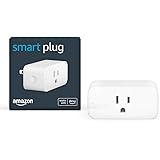
Fundamentally, a smart plug functions as an intermediary power switch between a wall outlet and an electrical appliance. Its core utility is predicated upon the ability to remotely sever or restore the electrical current supplied to the connected device. This remote control functionality is typically facilitated via a Wi-Fi connection or other smart home protocols (e.g., Zigbee, Z-Wave), allowing users to manage power through a dedicated smartphone application or an integrated smart home ecosystem such as Apple HomeKit, Amazon Alexa, or Google Assistant.
Beyond simple remote power cycling, advanced functionalities are often incorporated. Scheduling features permit the pre-setting of specific times for appliances to activate or deactivate, aligning with daily routines or energy-saving objectives. Furthermore, many contemporary smart plugs are compatible with voice control interfaces, enabling hands-free operation through verbal commands issued to a smart speaker or smartphone. The integration with geofencing capabilities, as mentioned in the video, allows for location-based automation, wherein devices are automatically controlled based on the user’s proximity to their home. For instance, a heating element in an office could be deactivated upon departure and reactivated upon arrival.
Advantages of Integrating Smart Plugs into the Home Ecosystem
The proliferation of smart plugs is largely attributable to the tangible benefits they confer upon users, which transcend mere technological novelty. These advantages can be broadly categorized into several key areas:
- Enhanced Safety Protocols: A significant concern for many individuals pertains to the inadvertent omission of turning off high-wattage or heat-generating appliances. Imagine if a hair curler or straightener was left active after one’s morning routine. A smart plug provides the capability to remotely verify the power status of such devices and, if necessary, disable them from any location with internet access. This capability offers considerable peace of mind, mitigating potential fire hazards. Similarly, during holiday seasons, the remote management of decorative lighting via smart plugs ensures that these items are not left unattended for extended periods, reducing overload risks.
- Optimized Energy Management and Cost Savings: The phenomenon known as “phantom load” or “vampire power” describes the electricity consumed by appliances when they are turned off but remain plugged in. This continuous draw, though individually small, accumulates significantly over time. As indicated, a substantial entertainment system can accrue approximately $100 in energy costs annually due to phantom power. By implementing smart plugs, these appliances can be completely powered off when not in use, thereby eliminating phantom draw. A smart plug, typically priced between $40 and $60, can effectively amortize its cost within approximately six months through energy savings, particularly when applied to high-consumption devices.
- Unparalleled Convenience and Time Efficiency: Manual operation of certain appliances, especially those located in difficult-to-reach areas or those requiring specific timing, can be cumbersome. Consider the scenario of a dehumidifier situated in a basement, necessitating a trip downstairs for activation. A smart plug facilitates remote operation, allowing activation or deactivation from any room or even external locations, contingent upon network configuration. This streamlines daily routines, permitting the pre-heating of water kettles as one prepares for the day, or the activation of ambient lighting prior to entering a room.
- Adaptability for Seasonal Appliances: Many households utilize various appliances cyclically, such as humidifiers in winter, fans in summer, or specific lighting for holidays. The manual management of these devices can be inefficient. Smart plugs enable the precise scheduling and remote control of such items, ensuring their operation is aligned with specific environmental conditions or seasonal requirements without constant manual intervention. For instance, a fan could be programmed to activate when ambient temperatures exceed a predefined threshold.
Strategic Applications of Smart Plugs Across the Home
The versatility of smart plugs permits their advantageous deployment in virtually every room of a residence. However, prudent selection is advised, as certain appliances are more suited to smart plug integration than others.
Living Room Enhancements
In the living room, a primary area for entertainment and relaxation, smart plugs offer distinct advantages. The aforementioned phantom load of entertainment systems—comprising televisions, sound systems, gaming consoles, and streaming devices—can be effectively mitigated. A single smart plug can power cycle an entire entertainment center, ensuring that all connected components are completely de-energized when not in active use. Moreover, for decorative or ambient lighting that is not conducive to smart light bulb conversion (e.g., floor lamps with unique bulbs), smart plugs provide remote control capabilities, offering convenience and energy management. For seasonal décor, such as holiday lights, scheduled activation and deactivation through smart plugs obviate manual effort and enhance safety.
Bedroom and Bathroom Utility
The bedroom and bathroom present unique use cases for smart plugs, often centered on personal comfort and safety.
For personal care items in the bathroom, particularly hair styling tools such as curlers and straighteners, the safety aspect is paramount. The ability to remotely verify that these heat-generating appliances have been deactivated, or to power them off definitively from an external location, offers substantial peace of mind. This eliminates common anxieties regarding potential fire hazards.
Within the bedroom, humidifiers, diffusers, and fans are frequently employed for comfort. These devices can be scheduled to operate during specific periods, such as before bedtime or during sleeping hours, ensuring optimal environmental conditions without the need for manual activation. While smart light bulbs are often recommended for primary bedroom lighting due to their advanced features (e.g., circadian rhythm support, color temperature adjustment), smart plugs remain valuable for secondary lighting or non-smart bedside accessories.
Office Productivity and Environmental Control
The modern office, whether professional or home-based, often features a multitude of electronic devices. Monitors, external hard drives, and various peripherals can all contribute to phantom load. The implementation of smart plugs allows for the collective power cycling of these devices at the end of the workday, either through a timed schedule or via geofencing, ensuring energy conservation. Furthermore, the video elucidates a compelling case involving environmental quality: the detection of volatile organic compounds (VOCs) emitted by an office printer. In such a scenario, a smart plug can be utilized to power cycle the printer, thereby improving indoor air quality by limiting its operational periods to only when printing is actively required. This negates the necessity for manual, often acrobatic, engagement with hard-to-reach power switches.
Kitchen Considerations and Cautions
While the utility of smart plugs is broad, their application in the kitchen warrants careful consideration due to inherent safety risks associated with food preparation. The video highlights a specific, judicious application: managing a slow cooker. Smart plugs can be employed to power off a slow cooker once the cooking cycle is complete, preventing food from overcooking or remaining on a ‘warm’ setting for extended durations, which could compromise food quality. However, the use of smart plugs to *initiate* cooking for raw food from a remote location is generally ill-advised. Prolonged periods at room temperature prior to cooking can foster bacterial growth, posing significant health risks. Consequently, the kitchen remains an environment where smart plug integration should be approached with an acute awareness of food safety principles.
Conversely, for non-food-related tasks, an inventive automation could involve linking the activation of a hair dryer in the bathroom to the initiation of a water kettle in the kitchen. This foresight ensures that hot water for coffee or tea is prepared concurrently with one’s morning routine, showcasing how smart plugs can orchestrate cross-room efficiencies.
Plug into Knowledge: Your Smart Plug Q&A
What is a smart plug?
A smart plug is a device that fits into a regular wall outlet and allows you to remotely control the power to any appliance plugged into it. It essentially turns conventional appliances into “smart” devices.
How do smart plugs work?
Smart plugs work by acting as a remote-controlled switch between your wall outlet and an appliance. You can turn the appliance on or off using a smartphone app, voice commands, or scheduled timers, typically connecting via Wi-Fi.
What are the main benefits of using smart plugs?
The main benefits include enhanced safety by allowing you to remotely turn off forgotten appliances, optimized energy management to save money by eliminating “phantom load,” and unparalleled convenience through remote control and scheduling.
Where can I use smart plugs in my home?
You can use smart plugs in various rooms to control lamps, fans, humidifiers, or even entertainment systems in the living room. They are also useful for safety with personal care items like hair straighteners in the bathroom, but caution is advised with kitchen appliances like slow cookers, especially for starting cooking.