The landscape of modern living is constantly evolving, with technology seamlessly integrating into our daily routines to offer unparalleled convenience and control. What once felt like science fiction, such as managing home appliances with a simple voice command or a tap on a smartphone, has become an accessible reality for countless households. Smart home devices, designed to automate and simplify various aspects of home management, have seen a significant surge in popularity. Among these innovations, the smart plug stands out as an entry-level marvel, effectively transforming ordinary appliances into intelligent, connected devices. This transformative capability is what makes understanding how to install a smart plug a valuable skill for anyone looking to step into the world of home automation.
Indeed, as was visually demonstrated in the accompanying video, the installation of a smart plug is a straightforward process, often accomplished in mere minutes. However, the true power of these devices extends far beyond their simple setup. They are designed to bring a new level of ease, efficiency, and accessibility to virtually any home environment. By integrating these clever gadgets, users are afforded the ability to remotely control a wide array of electronics, thereby enhancing both comfort and security within their living spaces. Consequently, the practical applications of smart plugs are remarkably diverse, catering to a broad spectrum of user needs and preferences.
Understanding the Core Functionality of a Smart Plug
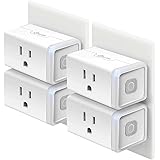
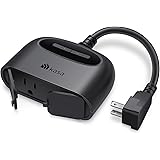
At its fundamental level, a smart plug operates as an intermediary between a standard electrical outlet and an appliance, imbuing the latter with “smart” capabilities. This means that an otherwise conventional lamp, fan, or coffee maker can suddenly be controlled wirelessly, whether through a dedicated mobile application or via voice commands. The magic truly begins when the smart plug is paired with your home Wi-Fi network, thereby enabling communication with your smartphone or voice assistant devices. Without this crucial connection, the plug would simply function as a standard power adapter, lacking its distinctive smart features. Therefore, a stable internet connection is often considered a prerequisite for optimal performance.
However, it is not merely about turning devices on and off; smart plugs often come equipped with a suite of advanced features. Scheduling is a prime example, allowing users to program specific times for appliances to power up or down, which is particularly useful for energy management. Furthermore, some models include energy monitoring capabilities, providing valuable insights into power consumption. These additional functionalities elevate the smart plug from a simple remote switch to a sophisticated tool for home optimization. Consequently, careful consideration of these features can lead to a more tailored and beneficial smart home experience for users.
The Step-by-Step Process: How to Install a Smart Plug
As illustrated in the video, the physical installation of a smart plug is remarkably uncomplicated. Initially, the appliance that is to be controlled must be unplugged from its traditional wall socket. Subsequently, this appliance is then plugged directly into the smart plug itself, thereby establishing the necessary electrical connection. Following this, the smart plug, with the appliance now connected, is inserted into the wall outlet. This sequence ensures that the power flow from the wall to the appliance is effectively routed through the smart plug, allowing it to exert control.
Despite the simplicity of the physical setup, the crucial next phase involves digital configuration through the accompanying mobile application. Typically, the app is launched on a smartphone or tablet, and a specific option, often indicated by a “+” sign, is selected to add a new device. The app is then usually directed to scan for nearby smart plugs, a process that is often completed quickly and efficiently. Upon detection, the smart plug is selected for pairing, which might require a physical button press on the plug itself to confirm the connection. Finally, a unique name is assigned to the smart plug within the app, which is essential for easy identification and voice control integration. This naming convention is particularly helpful when managing multiple devices across different rooms.
Integrating with Voice Assistants: Alexa and Google Home Connectivity
One of the most compelling aspects of modern smart home automation is the seamless integration with popular voice assistants such as Amazon Alexa and Google Home. This connectivity allows for a truly hands-free experience, transforming how household tasks are managed. Once a smart plug is successfully installed and configured within its proprietary app, the next logical step is to link this app to your preferred voice assistant. This synchronization process is typically initiated within the Alexa or Google Home application, where the smart plug’s brand or app is enabled as a ‘skill’ or ‘service.’
Subsequently, the voice assistant is prompted to discover new devices, and the newly named smart plug is then added to the list of controllable smart home components. It is at this point that commands like “Alexa, turn off my living room lamp” or “Hey Google, activate the fan” become fully functional. The convenience offered by voice control is truly transformative, benefiting everyone from busy professionals to those with limited mobility. Research indicates that voice-controlled interfaces are increasingly preferred for smart home interactions, with projections showing a continued rise in their adoption. Consequently, ensuring compatibility with major voice platforms is a key selling point for many smart plug manufacturers.
Unlocking the Benefits: Why Smart Plugs are a Smart Choice
The allure of a smart plug is multifaceted, extending beyond mere convenience to encompass practical advantages like enhanced accessibility and potential energy savings. Primarily, the ease of installation means that smart home technology is no longer exclusive to tech enthusiasts; virtually anyone can set up and utilize these devices. This user-friendly design contributes significantly to their widespread appeal. Furthermore, the cost-effectiveness of smart plugs is notable, offering an affordable entry point into home automation compared to more complex smart home systems. Indeed, a single smart plug can be purchased for less than the cost of a few specialty smart bulbs, yet it can control any device plugged into it.
Accessibility and Convenience for Every Household
For individuals facing physical challenges, such as the elderly or people with disabilities, smart plugs offer a profound enhancement to daily living. Reaching for an awkwardly placed light switch or bending down to unplug an appliance can be a significant obstacle. With a smart plug, these tasks are easily managed through a smartphone app or a simple voice command, thereby empowering greater independence. Imagine being able to turn on a lamp from bed, or power down a fan from the couch without any physical effort; these small conveniences contribute significantly to quality of life. This benefit is often understated but represents a major advantage for a significant portion of the population. A 2022 survey by the AARP indicated that a substantial percentage of older adults are interested in smart home technology to support independent living, highlighting the critical role of accessible devices like smart plugs.
Potential for Energy Efficiency and Savings
Beyond convenience, smart plugs present a tangible opportunity for improving household energy efficiency. Many traditional appliances consume “vampire energy” or “phantom load” even when turned off, simply by remaining plugged into an outlet. This often-overlooked energy drain can account for a noticeable percentage of a household’s electricity bill over time. By using smart plugs, these appliances can be completely powered down from the grid when not in use, effectively eliminating standby power consumption. For instance, according to the U.S. Department of Energy, standby power can account for 5% to 10% of residential energy consumption. A smart plug provides a simple solution to mitigate this waste.
Furthermore, the scheduling feature common to many smart plugs allows for precise control over when devices are active. A coffee maker can be set to turn on just before waking up, or lights can be programmed to switch off automatically after a certain hour. This automated management ensures that energy is only utilized when genuinely needed, preventing forgetfulness from leading to unnecessary consumption. Over the course of a year, these small adjustments, when applied across multiple devices, can lead to measurable reductions in electricity bills. Consequently, smart plugs contribute positively to both personal finances and environmental sustainability.
Enhanced Home Security and Peace of Mind
While often associated with comfort, smart plugs also play a subtle yet effective role in enhancing home security. By connecting lamps or other light sources to smart plugs, homeowners can create the illusion of occupancy even when they are away. Lights can be programmed to turn on and off at varying intervals throughout the evening, mimicking the natural patterns of someone being at home. This simple deterrent can be remarkably effective in discouraging potential intruders who prefer empty houses. This feature provides an added layer of protection, particularly valuable during vacations or extended periods away from the residence. Statistics show that properties appearing occupied are significantly less likely to be targeted by burglars, underscoring the practical value of automated lighting.
Moreover, the ability to remotely control appliances offers peace of mind. The nagging thought of “Did I leave the iron on?” or “Is the space heater still running?” can be instantly resolved with a quick check and tap on a smartphone app. This remote management prevents potential hazards and unnecessary energy waste. Thus, smart plugs are not just about adding features; they are about providing a sense of control and security over your living environment, even when you are miles away. This remote capability is widely appreciated by users who prioritize safety and worry-free travel.
Diverse Applications: Where Can Smart Plugs Be Used?
The versatility of smart plugs means they can be deployed across virtually every room in a home, transforming everyday items into smart devices. In the living room, lamps can be easily automated for ambiance or security, while entertainment systems can be powered down completely to eliminate standby drain. Moving to the bedroom, bedside lamps, fans, or even sound machines can be remotely controlled for ultimate comfort. These applications demonstrate how a simple device can enhance convenience in personal spaces. Despite their small size, the impact on daily routines is often profound.
In the kitchen, a smart plug can be used to pre-heat a slow cooker, start a coffee maker, or control holiday lights on a timer. For the home office, it provides a convenient way to manage chargers, printers, or task lighting. Even in less obvious areas, such as the garage or patio, smart plugs can control tools, outdoor lighting, or insect deterrents. The potential for integrating multiple smart plug devices throughout a property is virtually limitless, catering to a wide range of specific needs and desires. This adaptability ensures that they remain a popular choice for homeowners seeking to upgrade their living spaces.
Amp Up Your Knowledge: Smart Plug Q&A
What is a smart plug?
A smart plug is a device that connects to your wall outlet and transforms ordinary appliances, like lamps or fans, into “smart” devices that can be controlled wirelessly.
How do smart plugs work?
Smart plugs connect to your home Wi-Fi network, allowing you to control plugged-in devices using a dedicated mobile app on your smartphone or through voice commands with assistants like Alexa or Google Home.
Is it difficult to install a smart plug?
No, installing a smart plug is very easy. You simply plug your appliance into the smart plug, then plug the smart plug into a wall outlet, and finally set it up using its accompanying mobile application.
Can I control smart plugs with my voice?
Yes, after successfully setting up your smart plug in its own app, you can link it to popular voice assistants like Amazon Alexa or Google Home to control your devices using simple voice commands.
Why should I use a smart plug?
Smart plugs offer great convenience, can improve accessibility for those with mobility challenges, help save energy through scheduling, and even enhance home security by automating lights when you’re away.