Building a smarter home doesn’t have to drain your wallet. Like many homeowners, you might be curious about the benefits of smart home devices but intimidated by perceived high costs or complex installations. The good news is that advancements in technology have made smart home technology more accessible and affordable than ever. This guide, inspired by the video above, highlights some of the best inexpensive smart home devices that truly deliver value without compromising on quality or features.
The goal is not just to find the cheapest options, but those that offer reliability and functionality that makes them genuinely “worth it.” From illuminating your living spaces to enhancing security and automating daily routines, these budget-friendly smart home devices prove that you can create an intelligent home without breaking the bank.
Illuminating Your Home: Smart Lighting Solutions
Smart lighting is often the first step for many entering the world of home automation. It’s an easy way to add convenience and atmosphere. The video discusses several excellent choices for smart light bulbs and light strips that won’t empty your savings.
Smart Light Bulbs: Brightness on a Budget
For foundational smart lighting, the Kasa smart bulb emerges as a top contender, priced around $12-13. While its CRI (Color Rendering Index) is 88, which is decent, its 1000 lumen brightness and compatibility with most smart home systems make it an excellent entry-level choice. For those prioritizing future-proofing and broader compatibility, Matter-certified bulbs are key. The Linkind Matter bulbs, available in 800 and exceptionally bright 1600 lumens (A19 size), offer a CRI over 90 and reliable connectivity, making them a strong recommendation despite slightly less vibrant colors than Kasa. It is important to note the video’s caution regarding the Tapo Matter bulb, which exhibited significant connectivity issues.
Smart Light Strips: Ambiance without the Expense
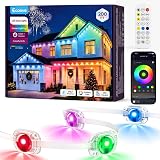
Light strips can add dynamic flair to any room, and budget options exist that don’t look “tacky.” The Wiz light strips, costing about $33, are praised for their excellent warm and cool white tones, which are bright and integrate well with Philips Hue systems due to shared parent company, Signify. They operate on Wi-Fi and support most smart home systems. Conversely, the Aqara T1 light strips, priced at $45, use Zigbee and offer brighter RGB colors, though advanced multi-color effects require an Aqara Zigbee hub if you’re connecting directly to Home Assistant. For general living room use focused on warm/cool whites, the Wiz strips offer superior value.
Enhancing Home Security and Access
Security is a paramount concern for many homeowners, and smart devices offer accessible ways to monitor and control access to your property. These options blend security with affordability and convenience.
Smart Video Doorbells: Keeping an Eye on Your Entryway
A video doorbell is a highly popular smart home device for a good reason. The Reolink Wi-Fi doorbell, at approximately $110, is highlighted as the standout budget choice. It boasts three crucial features: no monthly fees, 24/7 recording capability to an SD card or Reolink NVR, and superior HDR (High Dynamic Range) video quality, which prevents footage from being blown out by bright sunlight. Although connecting it to an NVR can be a bit tricky, the comprehensive features at this price point make it an exceptional value compared to alternatives like the Eufy E340 ($150), which, while good, lacks the 24/7 recording capabilities of the Reolink.
Smart Door Locks: Convenient and Secure Access
Smart door locks are designed for maximum convenience and, naturally, security. The video emphasizes fingerprint readers for quick and reliable access. The Aqara U100, priced at $142, is recognized for its robust build (being the heaviest tested) and excellent fingerprint sensor performance, even with damp hands. It offers broad compatibility, including Apple HomeKit, HomeKey, and Matter (via an Aqara hub). The Eufy E31, at $150, also features a fingerprint reader and rechargeable battery, but its lightweight build might raise questions about durability. Furthermore, while it uses Matter, full functionality, such as setting codes, often requires the Eufy app, which can be a drawback for those seeking app-free control.
Essential Smart Home Automation Controls
Automating lights, checking on your garage, or simply switching devices on and off remotely adds layers of convenience to daily life. These budget-friendly smart home devices make routine tasks effortless.
Smart Light Switches: Simple and Effective Control
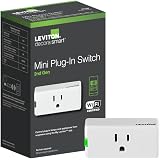
For controlling existing light fixtures, a reliable smart light switch is invaluable. The Kasa dimmer and on-off switches are lauded as the top budget picks, typically costing around $20. Their Matter compatibility ensures they work seamlessly with all major smart home ecosystems, offering straightforward and dependable control. Their plug-and-play nature makes them a perfect example of effective and cheap smart home devices.
Indoor Smart Cameras: Peace of Mind Indoors
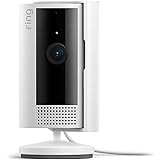
An indoor camera provides a way to monitor various areas of your home, from a garage to a baby’s nursery. Tapo’s cameras, specifically the C120 model around $25, are recommended due to their affordability, lack of subscription fees, 24/7 recording to an SD card, and robust smart home integration, particularly with Home Assistant. Its diverse alert types, including “baby crying,” further enhance its utility for different monitoring needs.
Outdoor Smart Cameras: Robust Exterior Surveillance
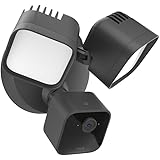
When it comes to outdoor security, Reolink again stands out as the go-to budget option. Their hardwired cameras, like the RLC-810A for about $80, offer 4K resolution, 24/7 recording via a Reolink NVR, and seamless Home Assistant integration. The reliability of hardwired connections is stressed over battery-powered alternatives for outdoor use due to long-term performance and security. This investment ensures constant, high-quality surveillance for your property, contributing significantly to a secure smart home setup.
Smart Sensors for Enhanced Automation
Sensors are the eyes and ears of your smart home, enabling automations based on movement, contact, or environmental changes. These budget sensors offer great functionality.
Motion Sensors: Beyond Basic Detection
Motion sensors are fundamental for automating lighting or security alerts. Aqara and Thirdreality offer excellent Zigbee-based options around $20. The Aqara sensor is smaller and comes with a stand, using coin cell batteries. Thirdreality’s slightly larger sensor uses easily rechargeable AAA batteries, which is a significant convenience. For advanced presence detection, millimeter wave sensors (starting from $30) can detect subtle movements like breathing, ensuring lights don’t turn off if you’re simply sitting still. The Aqara FP1E ($40, Zigbee) and Apollo MSR-2 ($40, ESPHome) are both strong choices, offering distance detection and easy setup, with Aqara’s Zigbee compatibility being a slight edge.
Contact Sensors: Monitoring Doors and Windows
For securing entry points, contact sensors are essential. Again, Aqara and Thirdreality are the preferred budget brands. While Aqara’s sensors are smaller and use coin cell batteries, Thirdreality’s larger sensors (using AAA batteries) offer stronger signals and more reliable performance, addressing instances where Aqara sensors might occasionally go offline. This enhanced reliability, combined with the convenience of AAA batteries, makes Thirdreality a slightly more attractive option for many users seeking dependable smart home devices.
Water Leak Sensors: Protecting Against Damage
Water leak sensors are crucial for preventing costly damage. The IKEA water leak sensor, at an incredibly low price of $10, is an exceptional value. It uses Zigbee, works well with Home Assistant, and includes a siren, offering a sleek design. While Thirdreality’s sensor (at twice the price) provides a louder siren and more water contact options, the IKEA option is hard to beat for widespread deployment around the house, especially for those who need multiple affordable units to protect their smart home.
Smart Buttons and Vibration Sensors: Versatile Controls
Smart buttons offer flexible control for various automations. While IKEA’s new Zigbee buttons have compatibility issues with Home Assistant, the Thirdreality Zigbee button (using AAA batteries) is highly recommended. It detects single, double, and long presses, allowing for diverse lighting scenes or other actions. For vibration sensors, the Thirdreality option, priced about $3 more than Aqara’s $17 sensor, is preferred for its adjustable sensitivity, responsiveness, and use of AAA batteries. These thoughtful features add significant utility to any smart home setup.
Optimizing Energy and Comfort
Beyond security and lighting, smart home devices can help you manage energy consumption and maintain ideal indoor climates.
Smart Outlets with Power Monitoring: Efficient Energy Management
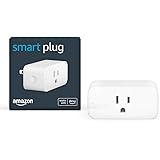
Smart outlets with power monitoring are incredibly useful for automating appliances and understanding energy usage. While Kasa offers a Matter-compatible Wi-Fi outlet, its energy monitoring features are only accessible via the Kasa integration, not directly through Matter. For about the same price ($12-13), IKEA and Thirdreality provide Zigbee smart outlets that do offer both energy and power monitoring. These Zigbee outlets also act as repeaters, extending the range of your Zigbee network, making them a more integrated and valuable choice for a connected smart home.
Smart Garage Door Controllers: Secure and Automated Access
A smart garage door controller provides peace of mind and automation for one of the most frequently used entry points. The Meross garage controller is the top recommendation. A $30 version supports Amazon, Google, and SmartThings, while a $50 HomeKit version connects locally to Home Assistant. Its wired sensor, which eliminates batteries, ensures high reliability—a critical feature for controlling a garage door. Meross even provides necessary attachments for newer garage door openers for free, making it a truly convenient and reliable addition to your smart home.
Smart Thermostats: Intelligent Climate Control
While some budget thermostats exist, like the Honeywell X2S ($100, Matter certified), investing slightly more in the Ecobee Essential (around $130) is often worthwhile. Essentially an Ecobee 3 Lite, it delivers robust climate control capabilities, though it lacks an integrated motion sensor on the thermostat itself. This is easily mitigated by using compatible Ecobee sensors for presence detection. Ecobee thermostats are praised for their precise control and user-friendly interface, offering excellent value despite not being the absolute cheapest smart home device in this category.
Air Quality Monitors: Health and Comfort Insights
Air quality monitors, a newer addition to many smart homes, provide valuable insights into your indoor environment. Two budget-friendly options around $50 stand out. The Apollo MSR-2, with an additional $20 CO2 sensor add-on, is excellent for monitoring stuffy rooms and can trigger automations for ventilation. Alternatively, the IKEA air quality monitor, a Zigbee device, measures PM2.5 particulate matter and VOCs, ideal for kitchens or near 3D printers to monitor unhealthy particles. Both options offer significant health benefits, making them valuable smart home devices for maintaining a healthier living space.
Your Worth-It Smart Home Questions
Does building a smart home have to be expensive?
No, advancements in technology have made smart home devices more accessible and affordable, allowing you to create an intelligent home without a high cost.
What types of smart devices are good for beginners?
Smart lighting, such as affordable light bulbs and light strips, is often a great first step for many, adding convenience and atmosphere easily.
Can smart devices help improve my home’s security?
Yes, devices like video doorbells, smart door locks, and indoor/outdoor cameras offer accessible ways to monitor your property and control access.
Do I need to pay monthly fees for smart home devices?
Not always. Many budget-friendly devices, like certain video doorbells and cameras, offer features such as local 24/7 recording without requiring ongoing subscriptions.
How can smart devices help me manage energy in my home?
Smart outlets with power monitoring help automate appliances and track energy usage, while smart thermostats can intelligently control your home’s climate for efficiency.