Understanding the Qubo Smart Plug in Advanced Home Automation
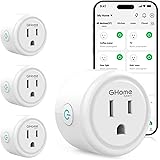
Smart plugs represent a foundational component within contemporary home automation systems. These devices are designed to transform conventional appliances into smart, controllable entities. A Qubo Smart Plug, for instance, typically facilitates remote power management. This capability is paramount for achieving sophisticated device orchestration. Operational efficiency is greatly enhanced through such intelligent power control. Furthermore, network-connected plugs like the Qubo variant integrate seamlessly into existing Wi-Fi infrastructures. This provides a robust framework for complex automation routines. The integration of a Qubo Smart Plug into a smart home ecosystem offers significant advantages. Energy consumption can be meticulously monitored and managed. This leads to quantifiable savings on utility bills. Device scheduling is another key benefit; appliances are activated only when necessary. Such precision minimizes passive power drain, known as phantom load. Moreover, voice control capabilities are commonly supported, offering hands-free operation. This elevates user convenience and accessibility within the connected environment.Key Features and Technical Specifications of Smart Plugs
Modern smart plugs, including the Qubo Smart Plug, incorporate a suite of advanced features. These attributes are engineered for superior performance and user experience. Wi-Fi connectivity is standard, enabling communication across the local network and cloud services. Energy monitoring is often a core functionality, providing granular data on power usage. This data is invaluable for informed energy management decisions. Overload protection mechanisms are also typically implemented for safety compliance. Scheduling functionalities allow for precise power delivery automation. Devices can be configured to operate during specific time windows. This ensures adherence to predefined automation sequences. Timer functions provide temporary power control, ideal for charging devices or operating short-cycle appliances. Furthermore, integration with major smart home platforms, such as Amazon Alexa or Google Assistant, is a common provision. This interoperability ensures a cohesive smart home experience. Geofencing capabilities might also be present, triggering actions based on location data. This enables dynamic automation scenarios upon arrival or departure from a specified area.Installation and Seamless Ecosystem Integration
Deploying a Qubo Smart Plug typically involves a straightforward installation process. The device is first physically plugged into a standard wall outlet. Subsequently, the appliance to be controlled is connected to the smart plug itself. Initial setup usually requires a dedicated mobile application, available on iOS and Android platforms. The app guides the user through Wi-Fi network configuration. This establishes the necessary connectivity for remote operation and automation. Once connected to the Wi-Fi network, the smart plug becomes discoverable by other smart home hubs. It can then be integrated into broader automation routines and scenes. For instance, a Qubo Smart Plug controlling a lamp can be grouped with smart lighting systems. This enables synchronized control through a single command or schedule. Firmware updates are periodically released to enhance performance and security. Regular updates ensure optimal functionality and protection against emerging vulnerabilities. Proper network segmentation might be advised for enhanced IoT device security.Advanced Use Cases and Optimization Strategies
Beyond basic remote control, the Qubo Smart Plug unlocks a multitude of advanced automation scenarios. Consider an application in home security; a smart plug can power a security camera. This allows for scheduled recording or activation based on motion detection. For energy optimization, a smart plug can manage the charging cycle of electric vehicles or power tools. This prevents overcharging and prolongs battery lifespan. Heating and cooling devices can also be intelligently controlled, maintaining optimal indoor climate while minimizing energy waste. Advanced users might leverage IFTTT (If This Then That) applets for intricate automations. This platform enables cross-device communication based on diverse triggers. For example, a Qubo Smart Plug could activate a fan if the room temperature exceeds a set threshold. Vacation mode settings are also highly beneficial, simulating occupancy by randomly turning lights on and off. This deters potential intruders. Such sophisticated automation significantly enhances comfort, security, and efficiency within the smart dwelling.Security Protocols and Network Considerations for Smart Plugs
Security remains a paramount concern for any connected device, including the Qubo Smart Plug. Manufacturers typically implement robust encryption protocols to safeguard data transmissions. WPA2 encryption is standard for Wi-Fi communication, protecting against unauthorized access. Regular firmware updates address newly discovered vulnerabilities, bolstering device resilience. It is crucial for users to maintain updated firmware versions for optimal security posture. Strong, unique passwords for Wi-Fi networks are also indispensable. Network segmentation is a recommended practice for isolating IoT devices. This involves creating a separate network segment for smart plugs and other smart home gadgets. Such isolation prevents potential breaches from impacting the primary home network. Monitoring network traffic associated with smart plugs can also identify anomalous behavior. This vigilance is key to maintaining a secure and reliable smart home ecosystem. Furthermore, purchasing products from reputable brands like Qubo ensures adherence to industry security standards. These measures collectively contribute to a hardened smart home environment, effectively managing any Qubo Smart Plug deployments.Qubo Smart Plug: Automating Your Answers
What is a Qubo Smart Plug?
A Qubo Smart Plug is a device that turns traditional appliances into smart, controllable entities. It allows you to remotely manage the power of devices plugged into it, making them part of your home automation system.
What are some common benefits of using a smart plug?
Smart plugs offer advantages like monitoring and managing energy consumption to save on utility bills, scheduling appliances to activate only when needed, and supporting voice control for hands-free operation.
How do you set up a Qubo Smart Plug?
To set up a Qubo Smart Plug, you first plug it into a standard wall outlet, then connect your appliance to it. You then use a dedicated mobile app to configure its connection to your home’s Wi-Fi network.
Can I control devices with a smart plug using my voice?
Yes, modern smart plugs like the Qubo variant commonly integrate with major smart home platforms such as Amazon Alexa or Google Assistant, allowing for convenient hands-free voice control.
Is using a smart plug secure?
Manufacturers typically implement robust encryption protocols and release regular firmware updates to ensure security. It’s crucial for users to keep firmware updated and use strong, unique passwords for their Wi-Fi networks.